
Littlebourne history
The history of Littlebourne is long and significant to the new colony’s foray into the inland of the newly settled land, yet to be named ‘Australia’.
Below is a brief overview of the timeline of the history of the land on which the homestead is built, the homestead and associated buildings and significant moments in early colonial history, is noted below. You can find more information on the Littlebourne Story page.
Timeline Snapshot:
For 50-60,000 years:
Wiradyuri peoples - original custodians of the lands now known as the Bathurst Region.
1813
Wentworth, Lawson and Blaxland cross the Mountains, and then surveyor George Evans reaches the site that would become known as Bathurst.
1815
Governor Lachlan Macquarie proclaims Bathurst a township.
1820
Land grant to Captain Piper and his wife Elizabeth (nee Hawkins) – from Kelso 2,000 acres. Their homestead “Millbank” (now long gone) was on the hill across O’Connell Road from Littlebourne.
1825
Lieutenant Thomas Evernden was assigned to lead the first Police Mounted Horse unit to Bathurst to arrest bushrangers and recapture convict bolters.
1827
Evernden was appointed to the new position of Police Magistrate, being the government commander in charge of colonial Australia from the Nepean River across the expanding western frontiers.
1830
Evernden marries 17 year old Mary Jane Hawkins, and is gifted 20 acres ‘for a peppercorn’ from her sister’s Millbank property. The newly wed Lieutenant and Mrs Evernden build the finest house in the district. (At the time, Evernden was described as a “man of exquisite refinery” by local farming leader, William Suttor.)
The original home boasted two grand reception rooms and two main bedrooms with a veranda on three sides. Around 26 outbuildings including a number of convict quarters, kitchens and cottages were built to support the household.
Lt Evernden triggered the Ribbon Gang, by flogging convict Ralph Enthwhistle for swimming naked in the river. The Ribbon Gang rebellion saw over 300 convicts and labourers rampaging around the district for more than six weeks.
1836
Charles Darwin visited Bathurst and walked the road past Littlebourne, he may even have stopped in to visit the Police Magistrate.
1837
Mary Jane Evernden and her baby daughter inherit Littlebourne on the death of Thomas Evernden.
1844-1880
The house is sold several times to prominent owners, including NSW Parliamentarians Francis Lord and later to the firey Arthur Todd Holroyd.
1883
The Webb family added to the gold rush wing with four new bedrooms providing grand accommodation. A convict cottage was also incorporated into the main house building. ET Webb was on council during nearly all of the 40 years he lived at Littlebourne and was Mayor five times!
1897
The Federation Convention held in Bathurst
1930
The Schutt family added a large dining room on the western courtyard side of the house, moved the kitchen onto the back veranda and added the unique scalloped concrete veranda edges.
1945
The Elphinstone family demolished the derelict convict accommodation wing around 1945 and later merged the new Schutt dining room with the original 1830 bedroom to form a large lounge/dining salon. They operated the property as a fruit orchard business.
1965
Joseph and Shirley Green bought LIttlebourne to raise their two daughters and continued operating the orchard.
1995
The Warren family bought Littlebourne, gradually renovating the house over many years, until a major refurbishment commenced in 2022. Stylish ensuites were added to each bedroom and a large entertainer’s kitchen added. The championship billiard table was moved to the site of the previous kitchen and the area extended for games and parties. A new pavilion returned the courtyard to its original proportion, while providing modern, light filled living and outdoor comfort.
2025
The rejuvenated home was opened as an exquisite guest house welcome groups and individual travellers seeking to explore the charm and experiences of Bathurst and surrounds.

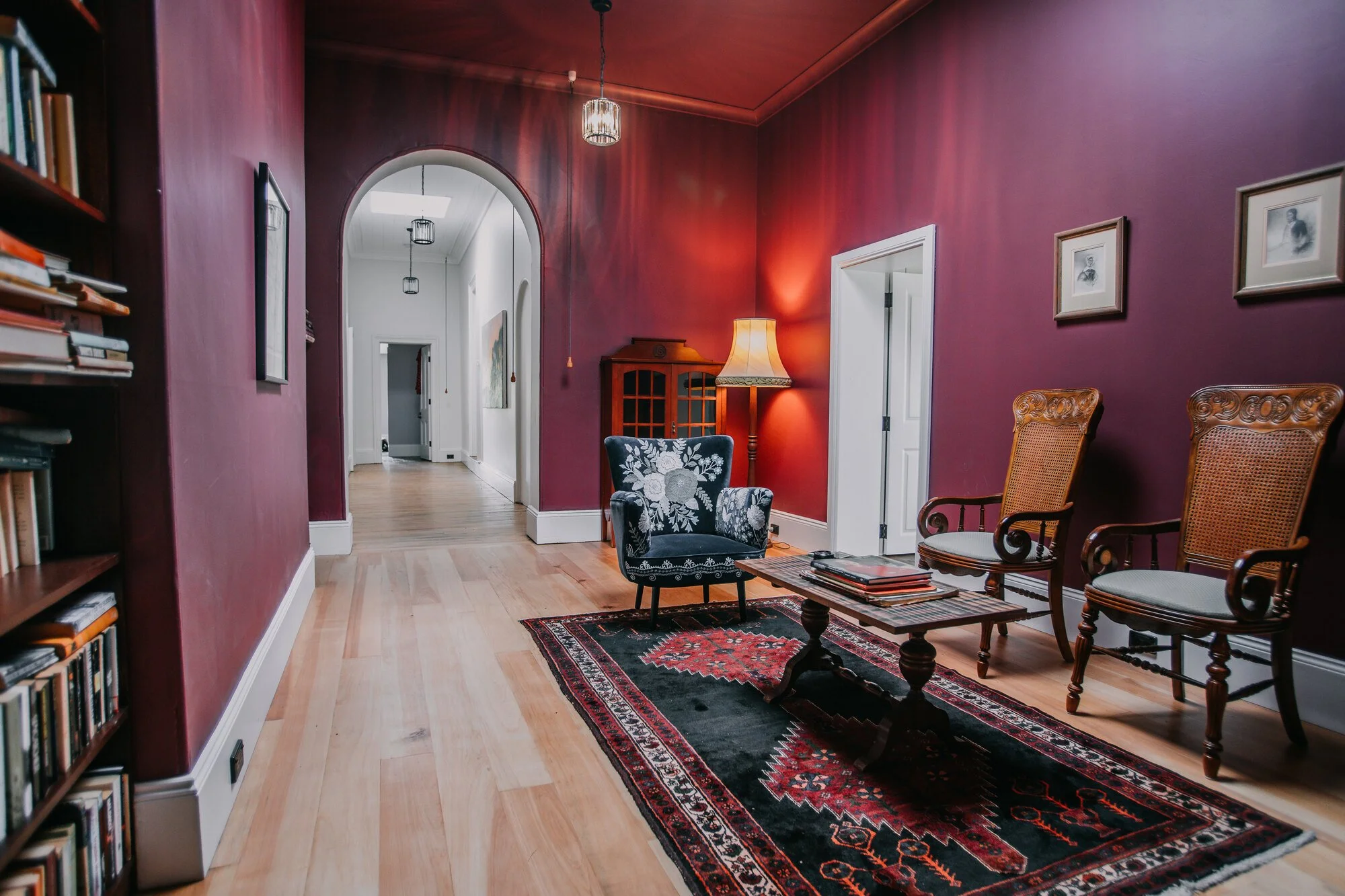
Littlebourne is on the National Trust Register, recognising the historical significance of the house and its prominent inhabitants.
The homestead now provides luxury accommodation with every modern convenience for visitors touring Bathurst’s historical sites, gardens, local villages and art communities.

